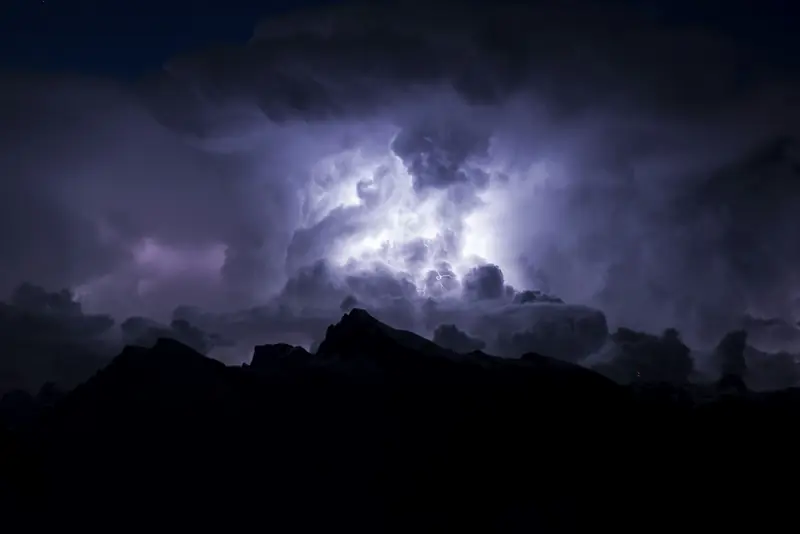
Gauteng's summer thunderstorms bring frequent lightning. Every season, Benoni homes lose TVs, gate motors, Wi-Fi routers, borehole pumps and pool pumps to power surges. Most of that damage is preventable.
How surges reach your appliances
Lightning rarely hits a house directly. More often it strikes nearby, and the surge travels in along:
- the electricity supply,
- telephone, fibre or cable lines,
- long cables to gate motors, borehole pumps and outside lights.
Power coming back after an outage can cause spikes too.
Layers of protection
- Surge arresters in your distribution board (DB). These are the first line of defence: they divert surges from the supply to earth before they reach your circuits. A registered electrician fits them, ideally with a good earthing system. See DB board upgrades and surge protection.
- Plug-in surge protectors for expensive electronics (TV, computer, router). They are cheap, but don't count on a basic multiplug.
- Protection on long outside cables, such as gate motors, borehole pumps and electric fences. These are often hit first, so ask your electrician or installer about surge protection at the device.
- Unplug during a big storm if you can, especially the TV aerial or satellite cable and the router.
Earthing matters
Surge protection only works if the house has proper earthing. Older homes, and homes with DIY additions, sometimes have poor or missing earths. An electrician can test the earth resistance as part of an inspection or a Certificate of Compliance.
Insurance
Most household insurers cover lightning and power-surge damage, but some have lower limits or need proof of protection. Check your policy, keep receipts, and get a repair technician's report if an appliance is damaged.
After a storm
- If the earth leakage keeps tripping after a storm, see earth leakage keeps tripping.
- If anything smells burnt or a DB breaker is hot, switch off and call an emergency electrician.