Selling a house, adding circuits or installing solar? You'll need an electrical Certificate of Compliance (CoC) from a registered electrician. These Benoni electricians list CoC work.
When you need a CoC
- Transferring a property to a new owner
- New or altered wiring, a new distribution board, or extra circuits
- Solar, inverter and backup power installations
- Sometimes after an insurance claim for electrical damage
Read the full guide: Electrical CoC: when you need one.
How it works
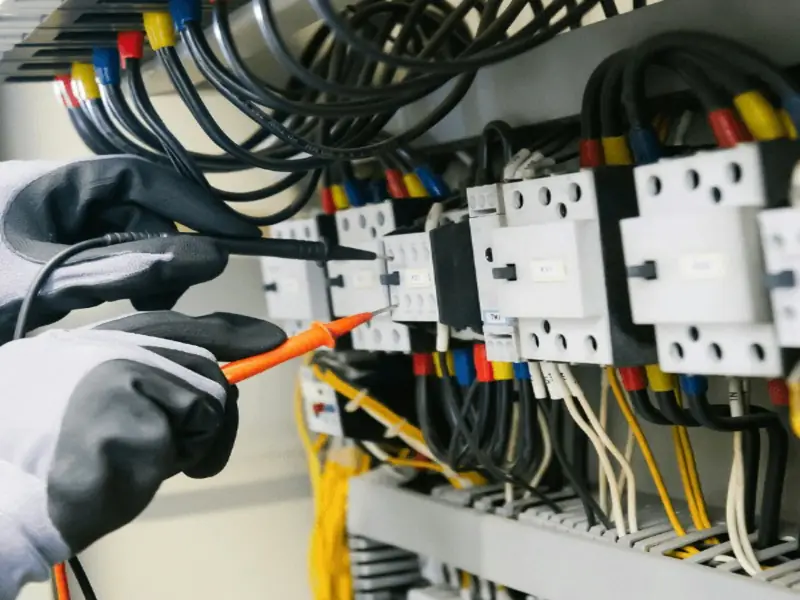
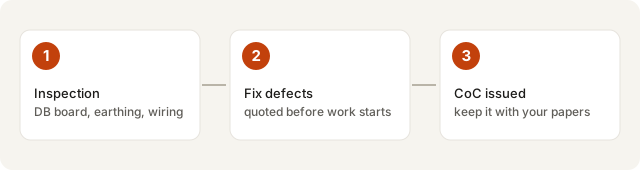
- A registered electrician inspects the fixed installation: the distribution board, earth leakage, earthing, wiring, plugs, switches and fixed appliances.
- If anything doesn't comply, you get a list of defects and a quote to fix them.
- Once it complies, the electrician issues the certificate.
Questions to ask
- Are you a registered installation or master installation electrician? What's your registration number?
- Is the inspection fee separate from the repairs?
- How long after repairs until I have the certificate?
Frequently asked questions
When do I need an electrical Certificate of Compliance?
When you sell a house, when electrical work is done or changed, and often when an insurer asks for one. A CoC is issued by a registered electrician after testing the installation.
How long is an electrical CoC valid?
There's no fixed expiry, but a CoC covers the installation as it was when tested. Many buyers and banks want a recent one when a property is sold, and any later changes need their own certificate.
Who pays for the CoC when selling a house?
Usually the seller, as agreed in the sale agreement. The cost of repairs needed to pass the inspection is often the biggest part.
Does a solar or inverter installation need a CoC?
Yes. The installation should be done and certified by a registered electrician, and insurers may ask for the certificate if you claim.