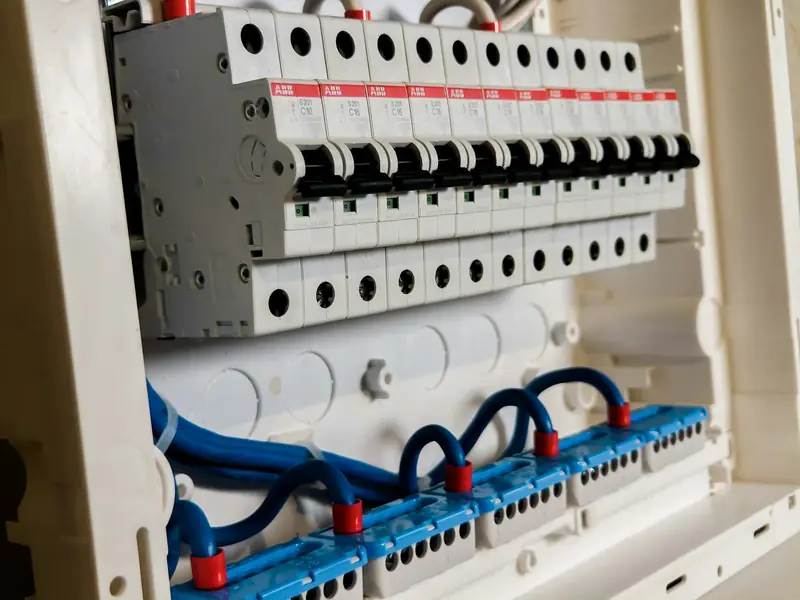
An electrical Certificate of Compliance (CoC) confirms that the fixed electrical installation in a property meets the national wiring standard, SANS 10142-1. It's issued under the Electrical Installation Regulations, and only a registered electrician can issue one.
When you need a CoC
- Selling a property. The seller has to provide a valid CoC before transfer. Conveyancers and buyers commonly expect it to be recent, often no older than two years. Check with your conveyancer.
- New or altered wiring. Adding circuits, moving plugs, replacing a distribution board, or other changes to the installation need a CoC for that work.
- Solar, inverters and backup power. These installations should be signed off by a registered electrician. Your insurer and the municipality may ask for the CoC.
- Insurance claims. After electrical damage, some insurers ask for proof that the installation was compliant.
Who can issue it
Only an electrician registered with the Department of Employment and Labour, as an installation electrician or master installation electrician, may issue a CoC. Ask for their registration number before work starts.
What the inspection covers
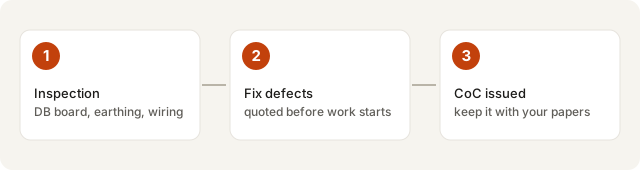
The electrician checks the fixed installation, including:
- the distribution board, breakers and earth leakage protection
- earthing and bonding
- wiring and circuits, plugs, switches and light fittings
- fixed appliances such as stoves and geysers, where they're connected to the installation
Plug-in appliances aren't covered.
Why a CoC sometimes "fails"
Common problems in older Benoni homes include a missing or faulty earth leakage unit, poor earthing, overloaded circuits and DIY changes. The electrician will list what needs fixing and quote for it before issuing the certificate.
Tips
- Get the inspection fee and any repair work quoted separately.
- Ask how long the certificate takes once repairs are done.
- Keep a copy of the CoC with your property documents.
This guide is general information, not legal advice.